Why Artificial Roof Coverings Excel in Harsh Midwestern Weather Conditions
Anyone that has actually spent a few years having a home in the Midwest finds out the very same lesson the hard way: roof materials are evaluated less by exactly how they view a sunny mid-day and even more by exactly how they perform in late January, during a spring hailstorm, or after a week of freeze-thaw cycles. The roofing over a Midwestern home needs to take care of heat, subzero cold, ice, wind, sleet, heavy rainfall, and abrupt weather swings that would be uncommon in many other areas. That mix subjects the toughness and weaknesses of every roof in a hurry.
This is where synthetic roof coverings have actually carved out a significant track record. Not since they are stylish, and not because they promise some miracle cure for every roofing trouble, but due to the fact that the product scientific research behind them align abnormally well with the climate needs of states like Illinois, Indiana, Wisconsin, Michigan, Iowa, and Missouri. In my experience, house owners typically start the discussion focused on appearance, specifically if they appreciate cedar shake, slate, or other high-end accounts. By the time the discussion mores than, they are generally paying equivalent attention to influence resistance, weight, securing methods, maintenance expectations, and how the roofing will act after ten Midwest winters.
Synthetic roofing has actually matured well beyond the uniqueness phase. Today's architectural synthetic roof products are crafted to imitate all-natural products while dealing with much of the susceptabilities that have traditionally made those materials hard to own in severe environments. For homeowners considering a lasting investment, particularly those evaluating synthetic roofing replacement alternatives versus asphalt, cedar, or natural slate, the conversation is entitled to a close, practical look.
The Midwest is uniquely difficult on roofs
Some environments are foreseeable. The Midwest is not. A roof here may bake under summertime sun at temperature levels warm enough to soften low-grade materials, after that face unexpected thunderstorms with wind-driven rainfall. In winter season, that exact same roofing system might hold drifting snow, create ice along eaves, and cycle via duplicated freezing and thawing. Springtime usually brings hail storm, and autumn can bring temperature swings large sufficient to stress seals, flashings, and fasteners.
Those rapid shifts issue. Roofing products increase and contract. When that motion is extreme, or when a product becomes brittle in the cool, small weaknesses begin to show up at ridges, valleys, around infiltrations, and along sides where wind pressure is strongest. Home owners do not constantly see the earliest signs from the ground. What they notice later on is a tarnish on a ceiling, lifted tabs, missing pieces after a storm, or a repair price quote that arrives years sooner than expected.
That's one factor synthetic roofing systems have gained traction in places like Chicagoland. They are not immune to bad installation or inadequate ventilation, due to the fact that no roof covering is, yet quality synthetic products are developed to tolerate a bigger variety of environmental tension than lots of typical products. In a climate that consistently evaluates every component on the roof assembly, that tolerance matters.
Material design, not marketing, explains the appeal
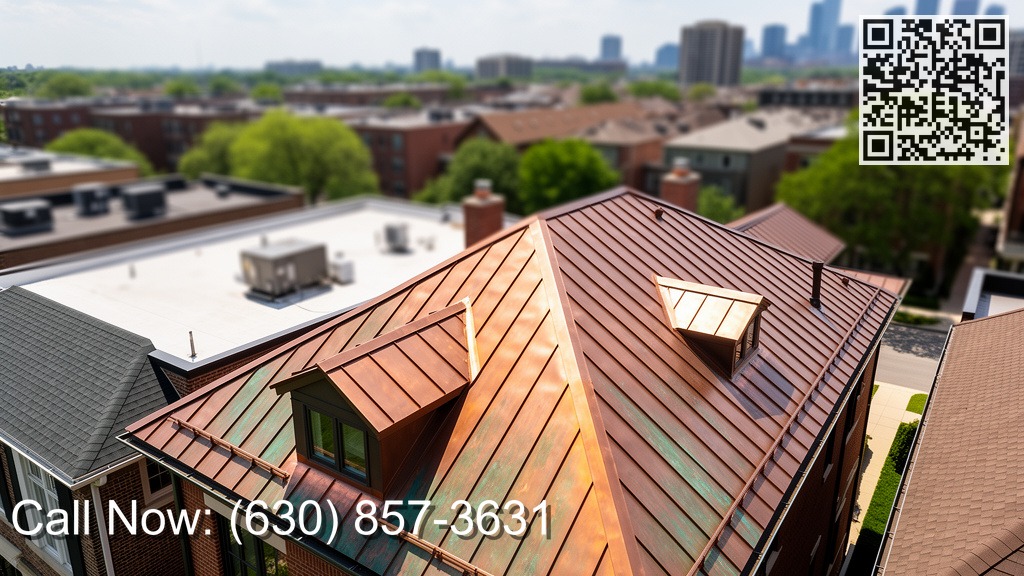
A lot of the value in premium synthetic roof covering comes down to what it is made from and exactly how it is manufactured. The specific formula differs by brand, yet several artificial roofing shingles are created from crafted polymers, recycled compounds, virgin materials, or blends created to provide versatility, sturdiness, and impact resistance without the fragility connected with all-natural slate or the upkeep problem of wood.
That versatility is a significant advantage in cold weather. Natural materials can break when struck by hail storm or when emphasized during a deep freeze. Lower-end items might become weak enough that simple roofing system web traffic from a solution technician can create damage in winter season. Great artificial products often tend to stay even more steady across wider temperature varieties. They can soak up force much better, recuperate better from effect, and withstand splitting in ways that matter in the area, not just in item brochures.
Weight is another useful factor. Typical slate is stunning, but it is heavy sufficient that structural capacity enters into the discussion. Some homes can support it. Others need support, which transforms the budget plan quickly. Synthetic choices supply the look of slate or shake without adding that exact same structural concern. For numerous homeowners, particularly those intending an artificial roofing substitute on an existing home, that can simplify the task substantially.
Hail resistance is where artificial roofs usually different themselves
If you have ever walked an area after a Midwest hail storm event, the pattern becomes obvious. You will certainly see bruised asphalt, cracked ceramic tile, dented steel devices, and insurance insurers moving from house to home. Hail is just one of the most expensive kinds of roof covering damage in the region, not only due to the fact that it triggers instant impact damages, however due to the fact that it shortens the life span of materials that make it through the first storm.
Many premium synthetic roof items are developed with influence resistance as a core marketing factor. That matters because hail storm performance is not nearly whether a roof covering leakages the following day. It is likewise regarding whether the material has actually been jeopardized in a manner that will certainly cause early failure 2 or 3 periods later. A roof can look appropriate from the road and still have cracks, granule loss, or covert damage that accelerates aging.
On higher-end homes, particularly those making use of artificial roof for deluxe homes, owners are frequently trying to shield both performance and appearance. Natural slate can chip. Cedar can divide. Some artificial choices deal with impact with much less noticeable damages while preserving the intended appearance of the roofing system airplane. That is a significant advantage in communities where aesthetic appeal carries genuine value.
I have seen situations where property owners originally dismissed artificial products due to the fact that they presumed "composite" suggested light-weight in a poor feeling, almost disposable. Then they took care of full-size examples and saw testing data on influence performance, fire scores, and wind resistance. The assumption transformed quickly. A great artificial roof covering needs to not feel lightweight. It needs to feel engineered.
Freeze-thaw resilience makes a silent however crucial difference
Hail gets interest because it is significant. Freeze-thaw damages is quieter, slower, and equally as expensive gradually. Water finds its means into tiny openings, freezes, broadens, and expands those openings. Repeat that cycle commonly enough and the roof covering setting up begins to degrade around weak spots. This is one factor the Midwest is so ruthless to products that absorb dampness or end up being breakable in the cold.
Synthetic roof coverings carry out well here partially since a number of them stand up to wetness absorption better than natural materials. Wood can hold moisture. Some mineral-based materials are at risk to fracturing when water invasion and freezing incorporate. Engineered synthetics, by contrast, are typically much less porous and much less most likely to suffer the very same inner breakdown.
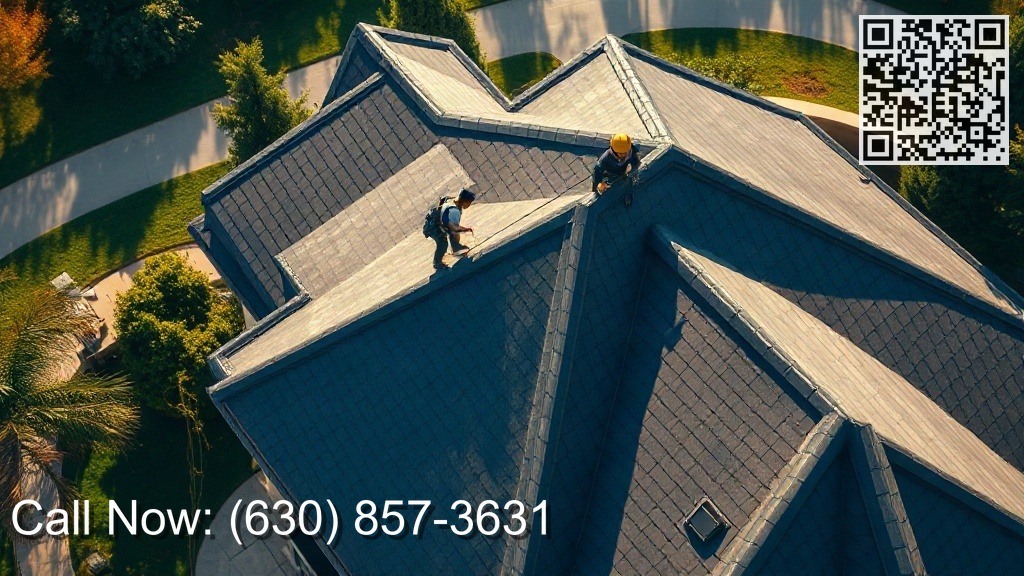
That does not eliminate the demand for appropriate underlayment, ice and water guard, ventilation, and blinking information. It merely indicates the visible roofing material is much less likely to end up being the weak link. For a household artificial roofing job, that can equate right into fewer headaches in late winter months when ice dams, snow build-up, and attic warmth loss start subjecting every mistake below the surface.
Wind performance matters more than most house owners realize
Midwestern tornados are hardly ever mild. Straight-line winds can be harsh, and even average storm fronts can generate gusts solid sufficient to exploit little installment mistakes. When the side of a roof system starts to fail, the trouble can spread out swiftly. That is why attaching patterns, starter courses, ridge detailing, and boundary steel matter so much.
Quality synthetic roofing systems are frequently examined for high wind efficiency, and numerous products are manufactured with interlocking or protected fastening layouts that help them keep in damaging problems. This is not only a product story. It is an installation story. A roofing is only as dependable as the team that mounts it. Even superior products can underperform when the installer disregards maker specifications or cuts edges on deck preparation.
That is why house owners trying to find artificial roof covering Chicago solutions or a synthetic roofer Chicagoland need to pay attention to installer experience. A synthetic roof covering company that mostly installs standard asphalt and only sometimes works with specialty composites may not come close to outlining with the very same accuracy as a group that regularly handles building artificial roof. The distinction shows up where it matters most, around valleys, chimneys, skylights, hips, ridges, and transitions between roofing planes.
Appearance is part of the formula, especially in recognized neighborhoods
The performance instance for artificial roof coverings is strong, yet visual appeals still drive several purchase choices, particularly in older suburbs, custom-home neighborhoods, and architecturally unique areas. Homeowners want a roof covering that fits the style of the residential property. In places with historical impact or high design requirements, standard three-tab or even standard dimensional asphalt can keep an eye out of place.
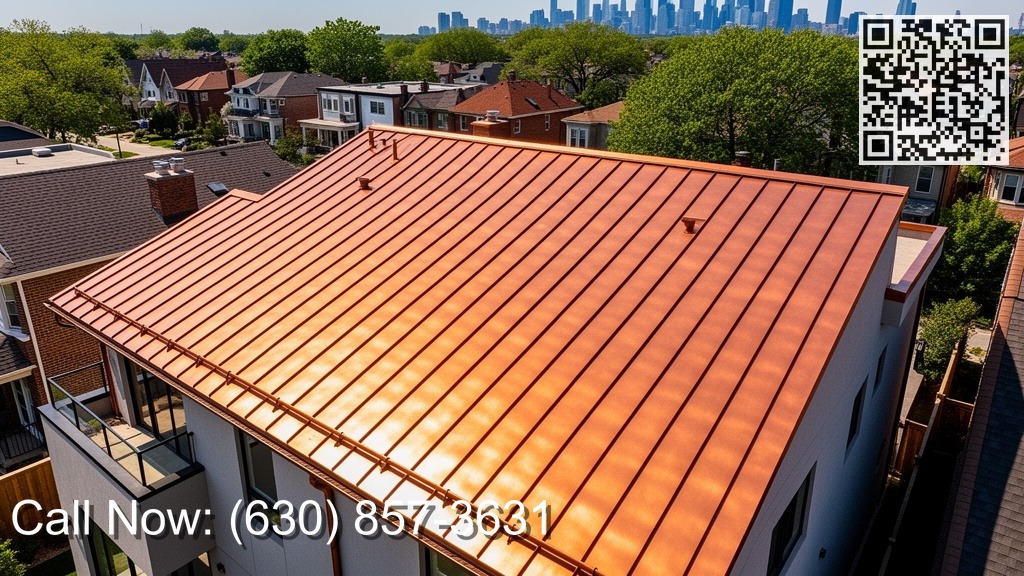
This is where architectural synthetic roofing has actually come to be specifically engaging. The most effective products do not simply imitate slate or cedar from a range. They recreate structure, darkness lines, variant in thickness, and shade depth in such a way that reviews as willful and fine-tuned. On a steep-slope home with famous rooflines, that aesthetic effect can be substantial.
For property owners looking for synthetic roofing Naperville IL or comparable high end country markets, the visual adaptability is often a making a decision variable. A lot of these homes are huge sufficient that the roof covering is a significant architectural feature, not a background surface area. Artificial products permit owners to pursue a slate or drink aesthetic without handling the structural, upkeep, or weather-related drawbacks that natural products can bring in this climate.
Lighter weight helps in both old homes and custom-made homes
A typical false impression is that weight always equates to quality. In roofing, that is just partly real. Larger products might really feel substantial, however they likewise place a lot more need on the framework below. That can complicate both new building and retrofit projects.
With synthetic roofs, lighter weight often ends up being a useful advantage. On older homes, it might enable the owner to accomplish a costs appearance without strengthening framing. On more recent custom homes, it can offer more style flexibility while reducing structural lots. On complicated rooflines with turrets, dormers, flared eaves, or steep pitches, lighter product can likewise make managing and installment much safer and more efficient.
There is an additional real-world benefit. Roof crews dealing with lighter artificial products can typically relocate much more precisely and with much less breakage during artificial roof covering installation. Natural slate and floor tile can fracture during handling. Wood can divide or differ in top quality from piece to item. Synthetic products are generally extra regular, which helps skilled synthetic roof covering installers keep appearance and alignment across huge roof covering areas.
Maintenance often tends to be a lot more manageable
No roof covering is maintenance-free, and anyone appealing that should be treated with care. Branch abrasion, clogged rain gutters, improperly vented attics, fell short sealants, and storm damage can influence any kind of product. However, artificial roof covering typically minimizes the routine upkeep burden compared with cedar shake and a few other standard products.
Wood roofing systems, for instance, often call for continuous surveillance for dampness retention, mold, mold, bug task, and splitting. All-natural slate can last a long time, but repair services can be specialized and expensive, especially when matching materials or working about delicate tiles. Asphalt is easier, however it can shed granules, curl, or age erratically under extreme climate stress.
A properly mounted domestic synthetic roof commonly lands in a useful middle ground. It can provide an upscale appearance with much less frequent repair demand, fewer concerns concerning rot or insect damage, and better resilience after regular weather occasions. That does not imply proprietors can neglect examinations. It means the roof is less most likely to punish disregard immediately.
Installation high quality decides whether the product lives up to its promise
If there is one factor I would certainly stress to any kind of house owner, it is this: the material is just half the work. The installer establishes the rest.
A qualified artificial roofing contractor recognizes that specialty items call for more than generic roof covering routines. Deck problem must be reviewed honestly. Underlayment selection needs to match climate demands. Flashing information must be upgraded where required, not reused because it conserves time. Infiltrations require careful treatment. Air flow must be addressed, specifically in homes with a background of ice damming or uneven attic temperatures.
When home owners interview a synthetic roof firm, they ought to ask particular questions about previous tasks, crew training, supplier experience, and just how the firm deals with shifts and accessory information. A strong specialist will certainly address concretely, not vaguely. They will discuss intake and exhaust ventilation, ice obstacle placement, securing approaches, and why specific details matter in neighborhood conditions. A weak professional normally changes the discussion back to price.
That https://rentry.co/zgs3zmpu is particularly essential in markets like synthetic roof covering Chicago, where weather exposure is intense and architectural designs vary commonly. A low bid can become pricey if the installer forgets the sensible needs of the home.
Cost is higher upfront, but that is not the whole calculation
Synthetic roof generally sets you back a lot more upfront than typical asphalt roof shingles. That much is true. For some property owners, the costs is substantial sufficient to rule it out promptly. For others, the choice is much less about entry cost and more concerning long-term value.
A roofing system ought to be judged over its life span, not simply by the agreement quantity joined installment day. If an artificial roofing system supplies far better resistance to hail, wind, cracking, and weather-related aging, there can be fewer repairs, fewer early substitutes, and much less aesthetic wear and tear in time. On homes where look issues, avoiding a noticeably tired roof covering after a fairly brief duration has value as well.
Insurance factors to consider can also enter the image, though this varies by carrier and policy. Some impact-resistant products may receive price cuts in certain situations, while others may not. Home owners should confirm details straight with their insurance company as opposed to assuming a benefit.
The better method to think about cost is to ask a more useful inquiry: what am I purchasing beyond the product itself? If the solution includes boosted storm durability, a costs building look, reduced maintenance stress, and the possibility of a much longer service horizon, then the greater initial investment can make sense, especially for long-lasting owners.
Where artificial roof covering makes one of the most sense
Synthetic roofing is not automatically the very best suitable for every home. Budget-driven projects on moderate properties might be much better offered by premium asphalt if the owner expects to move soon. Some historical areas have product limitations that require cautious evaluation. And not all synthetic items are equivalent. There is a vast array in between commodity-grade replica products and well-engineered costs artificial roofing.
Still, synthetic roofings are specifically compelling in a couple of typical circumstances:
- homeowners changing cedar or slate but wanting much less maintenance and higher tornado resistance
- custom homes where the roof covering is a major aesthetic feature
- properties in hail-prone or wind-prone areas across the Midwest
- long-term possession situations where lifecycle value matters greater than the most affordable bid
- projects where architectural weight is an issue yet a high-end look is still desired
Those use situations show up commonly in the Midwest because the area incorporates harsh weather with a big housing supply that consists of whatever from century-old homes to extensive brand-new builds. Few roof classifications serve that variety as successfully as artificial roof systems.
A much better match for the environment house owners in fact live in
The reason synthetic roofings master rough Midwestern climate condition is not mysterious. The region demands a product that can lose without ending up being an upkeep problem, and top notch synthetic items are built with specifically that difficulty in mind. They withstand impact far better than many conventional materials, take care of freeze-thaw stress well, stay clear of the weight fines of slate, and deliver a level of style versatility that interest both practical and design-conscious homeowners.
For a house owner reviewing artificial roof setup, the smartest approach is to treat it as both a material choice and a professional decision. The item has to be proven. The installer must be experienced. When those 2 pieces line up, the outcome is a roofing that does more than survive Midwest climate. It stays appealing, reputable, and structurally reasonable via the type of periods that subject weak options fast.
That is why numerous home owners that start the process trying to find a premium look end up choosing artificial for a more grounded reason. It fits the environment. And in the Midwest, that may be the most crucial feature a roof covering can have.
When Quality Matters
Salvo Architectural Roofing Contractors
566 West 5th Ave Naperville, IL 60563
(630) 857-3631
 Ask ChatGPT
 Ask Grok
 Ask Perplexity
 Ask Claude
 Ask Google AI
 Ask You